

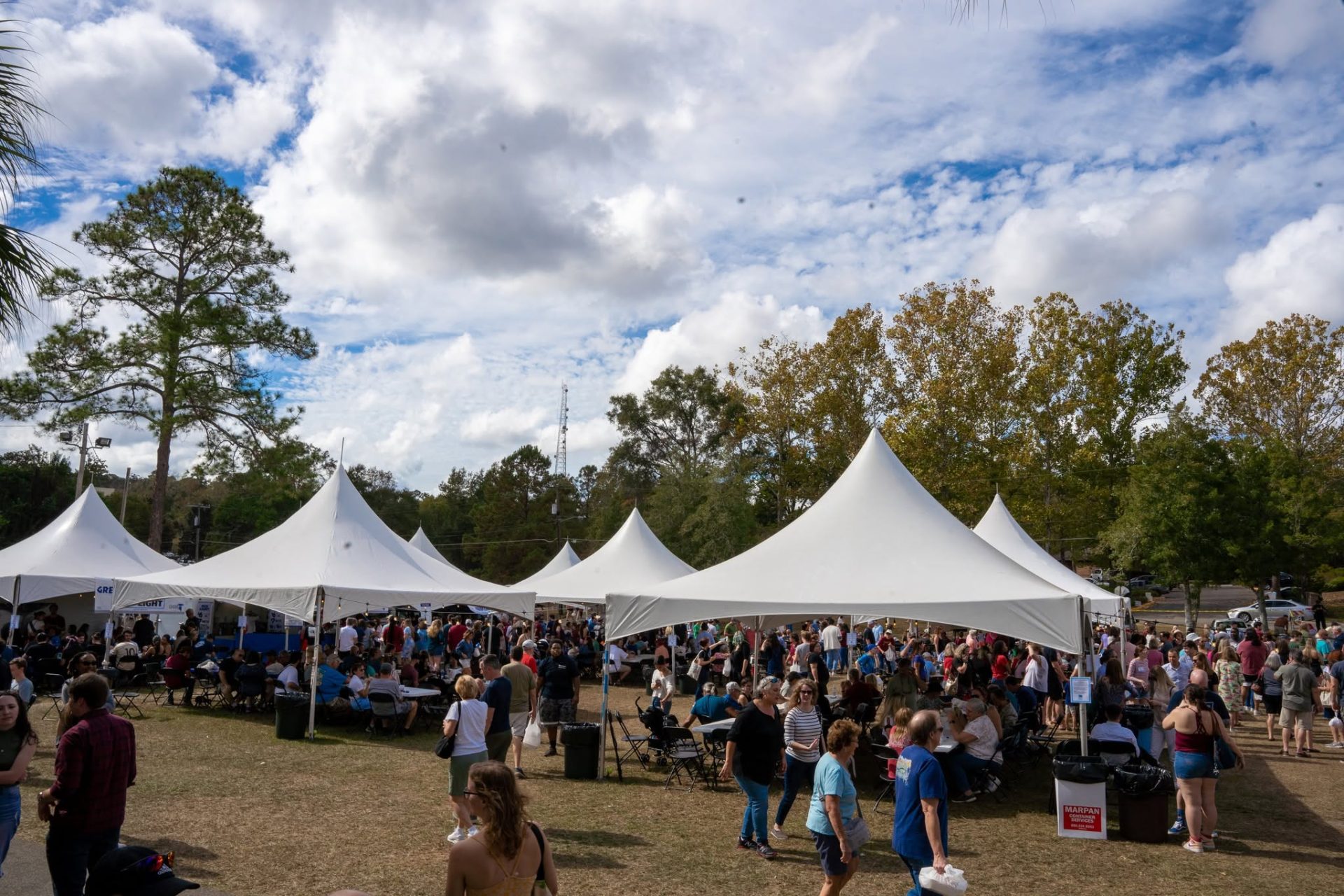
The heart, heritage and hospitality behind Tallahassee’s Greek Food Festival
For nearly six decades, members of Holy Mother of God Greek Orthodox Church have invited Tallahassee to gather around their table. The tradition began in November 1966, when the church’s Greek Woman’s Club held its first bazaar featuring Greek pastries.
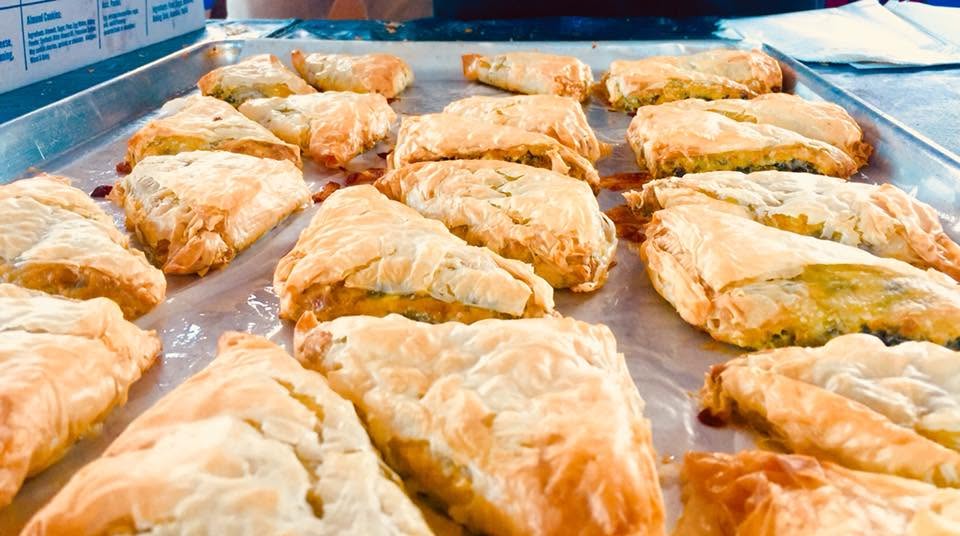
In 1982, the gathering grew into a full festival with traditional Greek dishes including pastitsio, dolmathes, tiropita, spanakopita and gyro sandwiches, along with Greek music, dancing and church tours. This year, the Tallahassee Greek Food Festival returns Friday, October 23, and Saturday, October 24, from 10 a.m. to 9 p.m.
While the festival has grown tremendously since its earliest years, Festival Chairman George Joanos said its spirit has remained the same. “The heart of the festival has been the kefi, sharing hospitality, excitement, the fun and the love for life”.
Generations Behind the Festival
The food served during the festival represents months of preparation and generations of knowledge passed down through Tallahassee’s Greek community. Many of the people working behind the scenes belong to families who helped establish the church and festival, including the Joanos, Patronis, Gavalas, Michell Myers, Coumanis, Poulos, Polos Langston, Koikos, Mathes and Allen families.
Their recipes and traditions are carried forward through an enormous volunteer effort. The festival involves endless details and countless hours of work, with no expectation of reward beyond the satisfaction of welcoming guests and sharing the warm hospitality for which Greek-American communities are known.
That welcome reaches far beyond Tallahassee. Visitors travel from Monticello, Quincy, Thomasville, Bainbridge and other surrounding communities to experience not only the food, but also the traditions, culture and church of the local Greek community. At the center of it all is philoxenia, a Greek word meaning “friend to a stranger.” It reflects the generosity and respect extended to a guest, along with a warm, what’s mine is yours spirit.
Months of Work Behind Every Bite
Planning for the festival is a year-round undertaking. Once the 2026 celebration ends, volunteers will begin preparing for the next one, and some of the dishes served during the two-day festival require several stages of hands-on work long before guests arrive.
Moussaka is one of the most labor-intensive examples, and its preparation begins months before festival weekend. “It starts in June with picking the eggplant from a South Georgia farm,” Joanos said. The eggplant is sliced and fried before volunteers begin layering it with meat sauce, topping it with creamy béchamel and baking the finished dish. The process takes several days of time-consuming steps and requires plenty of teamwork.
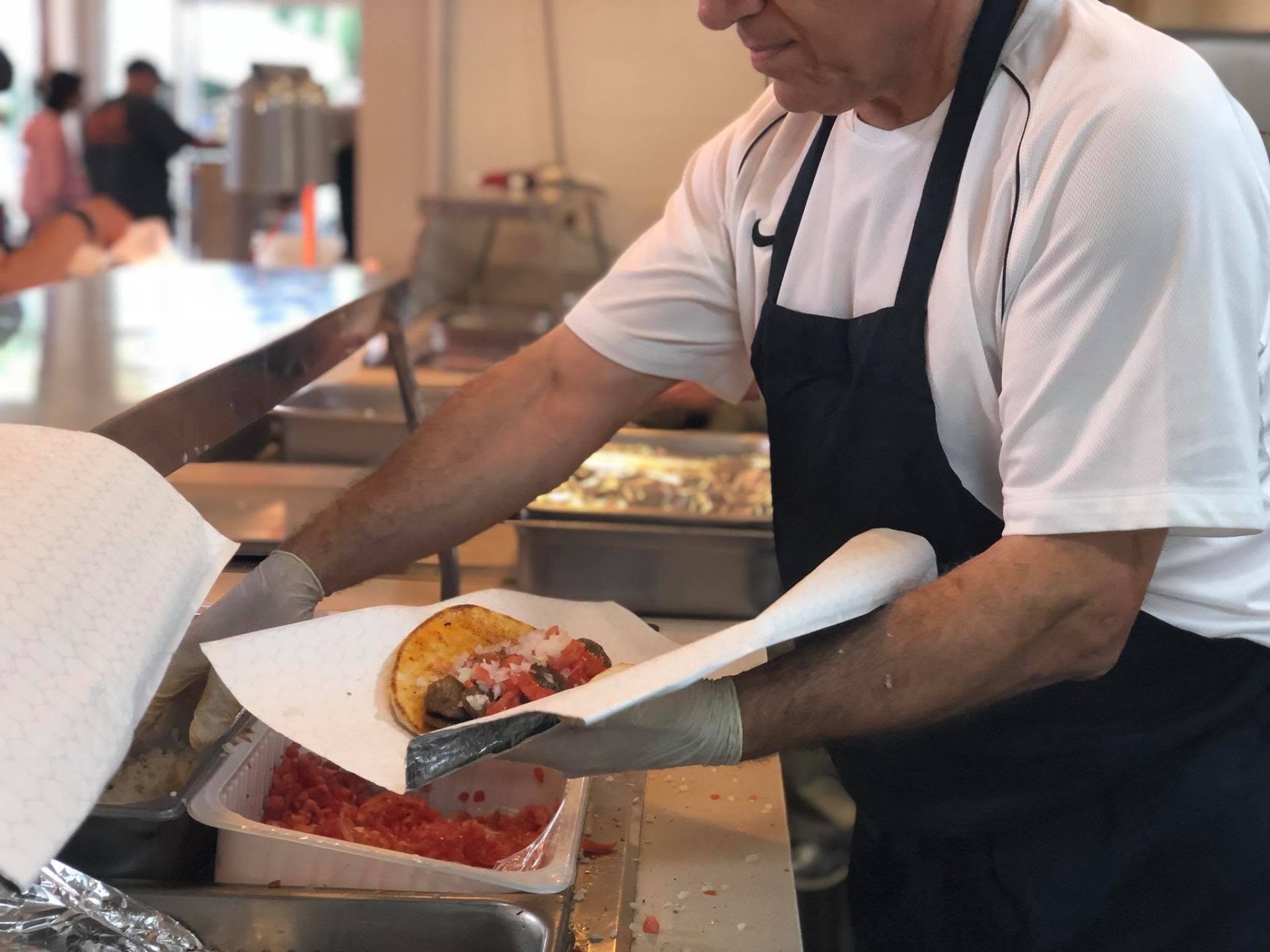
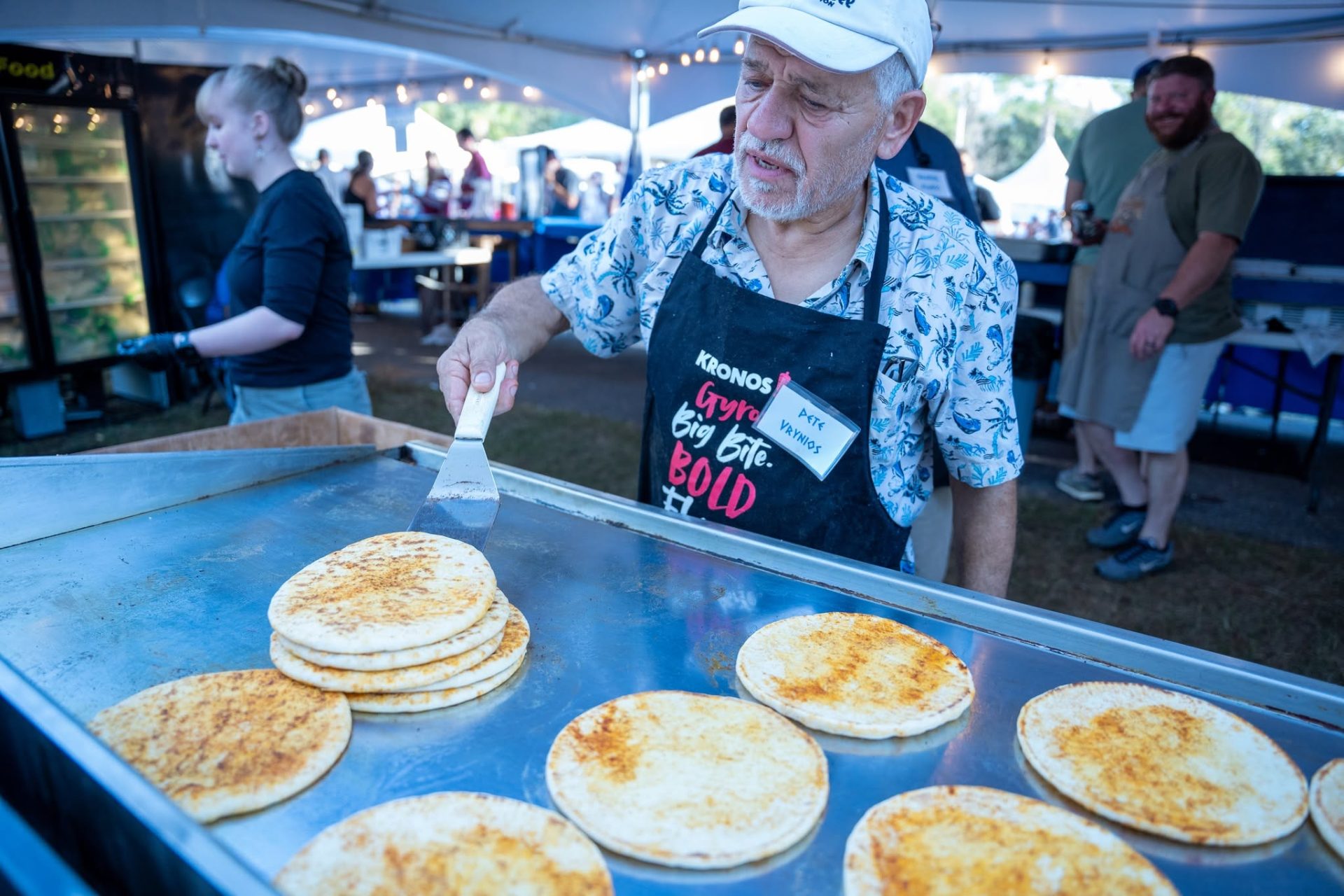
Moussaka is served with the festival dinners inside the Hellenic Center, alongside pastitsio, the comforting baked pasta dish often described as Greek lasagna. Guests looking for a quicker bite can stop by the à la carte booth for dolmathes, or stuffed grape leaves, while the festival’s popular gyro sandwiches remain a longtime favorite.
A Pastry Shop Filled With Tradition
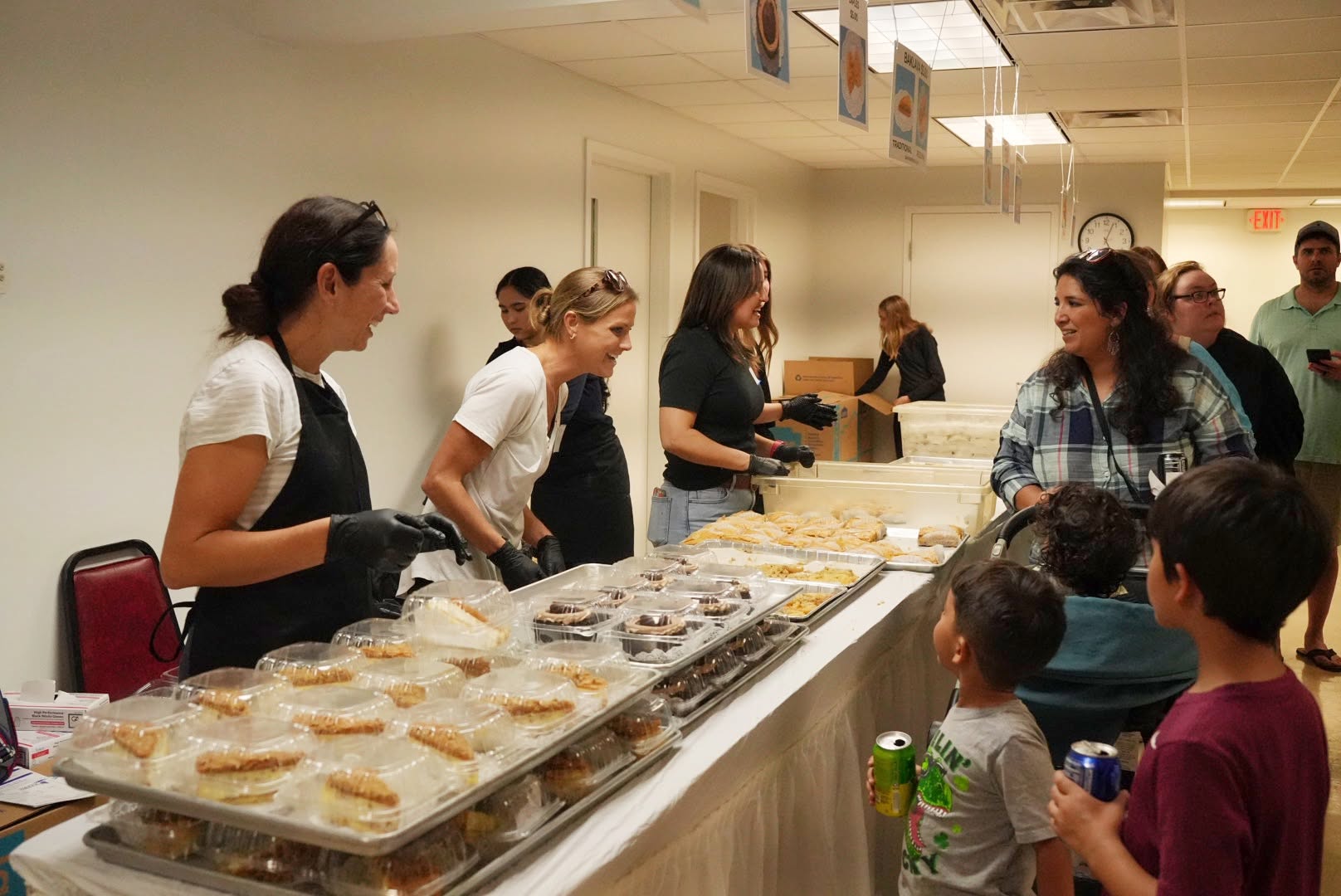
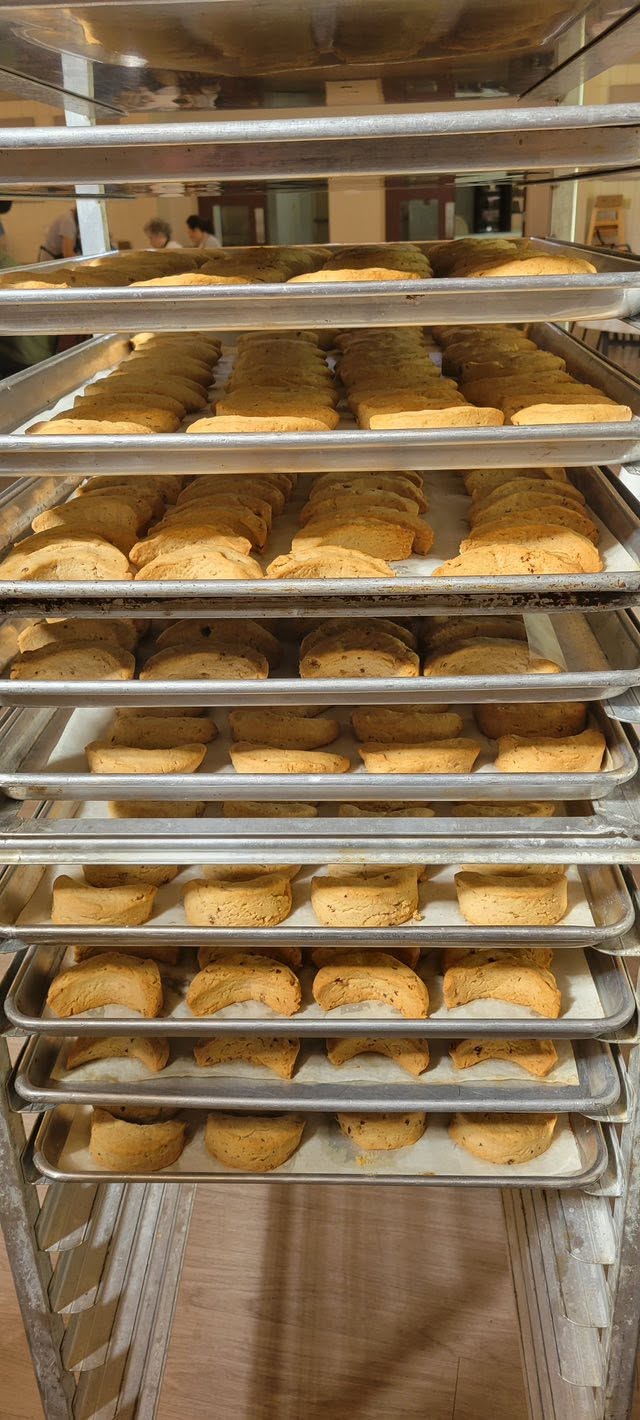
The festival’s pastries have been part of its story since the first church bazaar in 1966, and they remain one of its biggest draws. Inside the Pastry Shop, visitors will find traditional Patmos baklava made with local Orchard Pond honey, along with koulourakia, paximadia and buttery kourambiedes. Baklava cheesecake is another crowd favorite and one of the treats most likely to sell out.
Outside beneath the festival tents, the Greek Treats booth offers a newer addition. Loukoumades joined the festival menu last year and quickly gave guests another reason to save room for dessert. The bite-sized Greek doughnuts are dipped in syrup and finished with crushed nuts, cinnamon and powdered sugar.
Between the carefully layered baklava, pastries shaped by hand and dishes that take days to assemble, each booth offers a glimpse into the recipes and traditions volunteers work throughout the year to preserve.
More Than a Food Festival
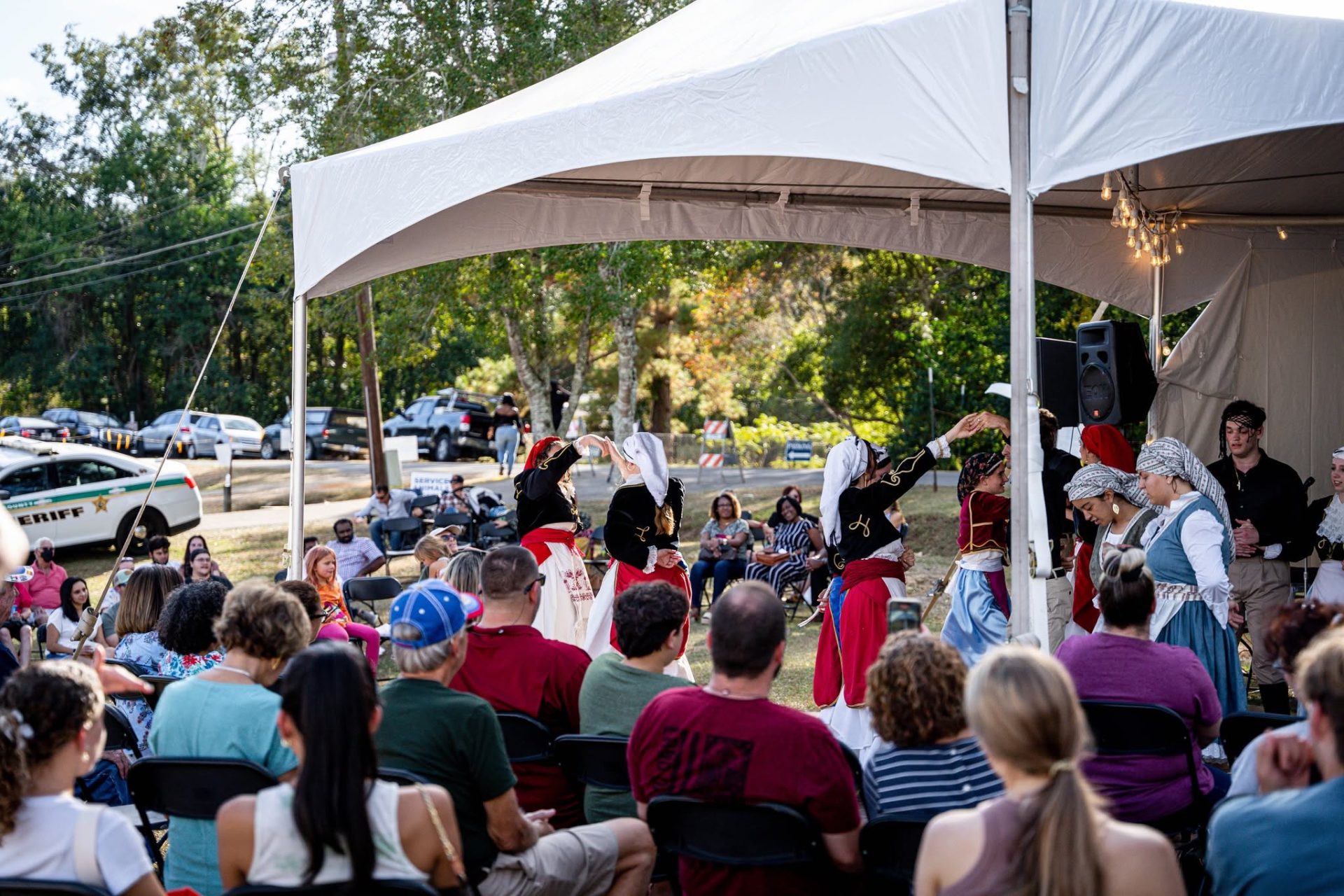
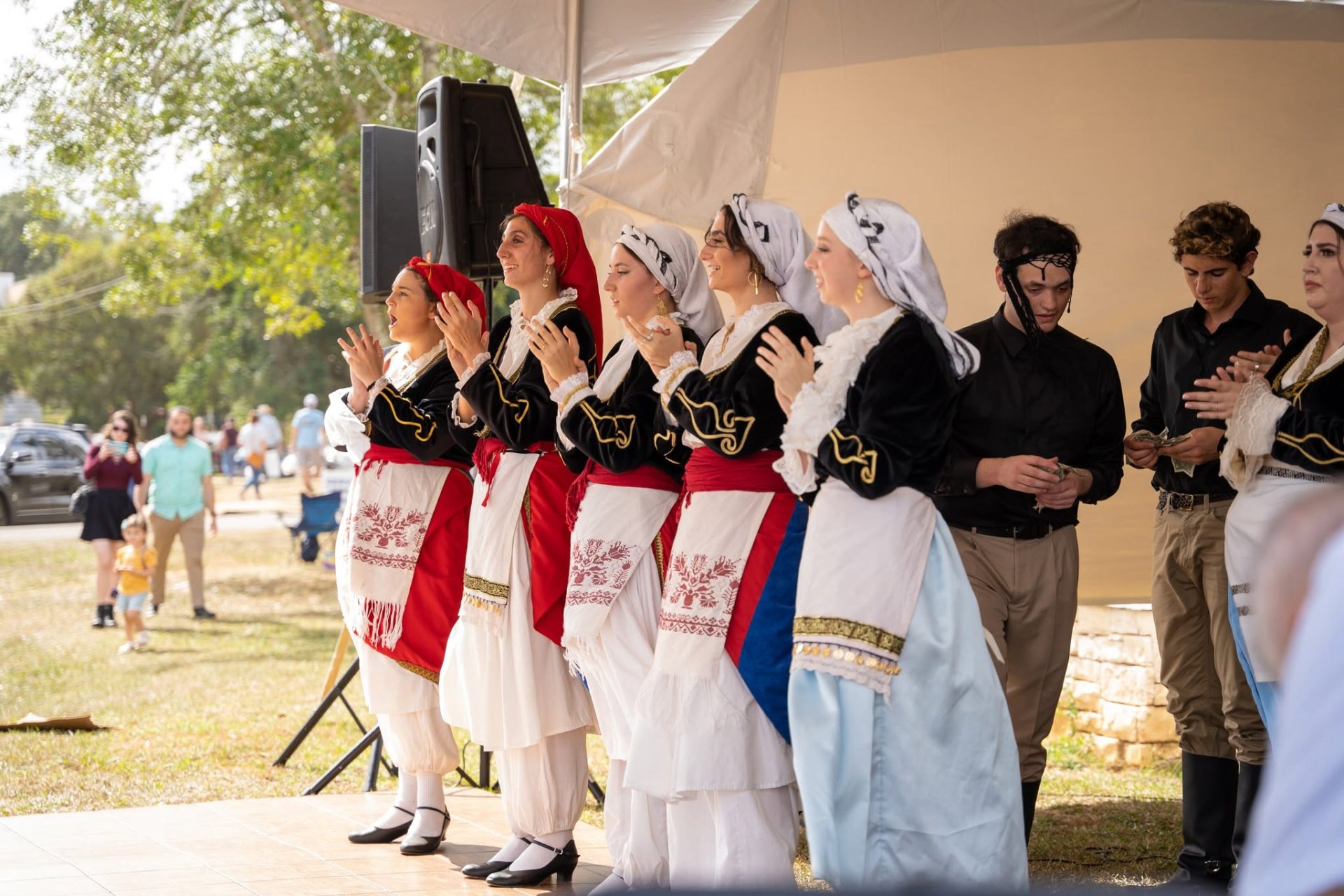
Food may bring people through the gates, but the festival offers a much broader introduction to Greek culture. Guests are encouraged to listen to Greek music, watch traditional dancing, browse the marketplace, tour the church and even join the dancing themselves. These experiences have been part of the festival since traditional foods were added in 1982 alongside a Greek band, dancers and church tours.
Organizers hope visitors will take time to experience it all, from shopping and touring the church to stocking their freezers with Greek dishes and pastries for the holidays. Joanos hopes guests leave understanding that Tallahassee’s Greek community loves welcoming people, sharing its traditions and, of course, feeding them well.
“Come for the food and leave with the culture!”
Before You Arrive
The 2026 Tallahassee Greek Food Festival will be held Friday, October 23, and Saturday, October 24, from 10 a.m. to 9 p.m. at Holy Mother of God Greek Orthodox Church, located at 1645 Phillips Road.
Arriving early is helpful, particularly for guests hoping to purchase the festival’s popular frozen foods, baklava, baklava cheesecake or dinners served inside the Hellenic Center. Organizers expect to have plenty of food available throughout the festival, but these favorites may sell out.
Parking will be available on site, with additional parking at nearby businesses on Saturday. This year, a shuttle will transport festivalgoers to and from the nearby Emmanuel Baptist Church parking lot on Mahan Drive. Cash and credit cards will be accepted at nearly all booths, with seating available beneath tents in two outdoor areas and inside the Hellenic Center.
Whether you begin with a full dinner inside the Hellenic Center, grab a gyro beneath the tents or head straight for a box of pastries, make time to explore beyond the food. Tour the church, browse the marketplace, listen to the music and perhaps even join the dancing.
Kali orexi, and come hungry!


